Vedic and Tantric traditions are one, though with different orientations. The Vedic tradition is earlier and Tantra is one of its later developments, mainly through the Puranas. Tantric teachings abound in the use of Vedic mantras and the mysticism of the Sanskrit alphabet. They use Vedic fire rituals and honor Vedic deities at an inner level. Inner Tantric Yoga reflects the four main Vedic deities of Agni, Soma, Vayu and Surya (the forces of fire, moon, wind and sun).
The main correlation between the Vedic and the Tantric is that whereas the Vedas emphasize the Jyotirmaya Purusha, ‘the Being or Person made of light’, the Tantras emphasize the Shaktimaya Devi, ‘the Goddess made of energy’. Yet light and energy as consciousness and force are one.
The Purusha of light is one with its energy or Shakti. So the two traditions cannot be separated either.
Poojas, Homams & Mantras
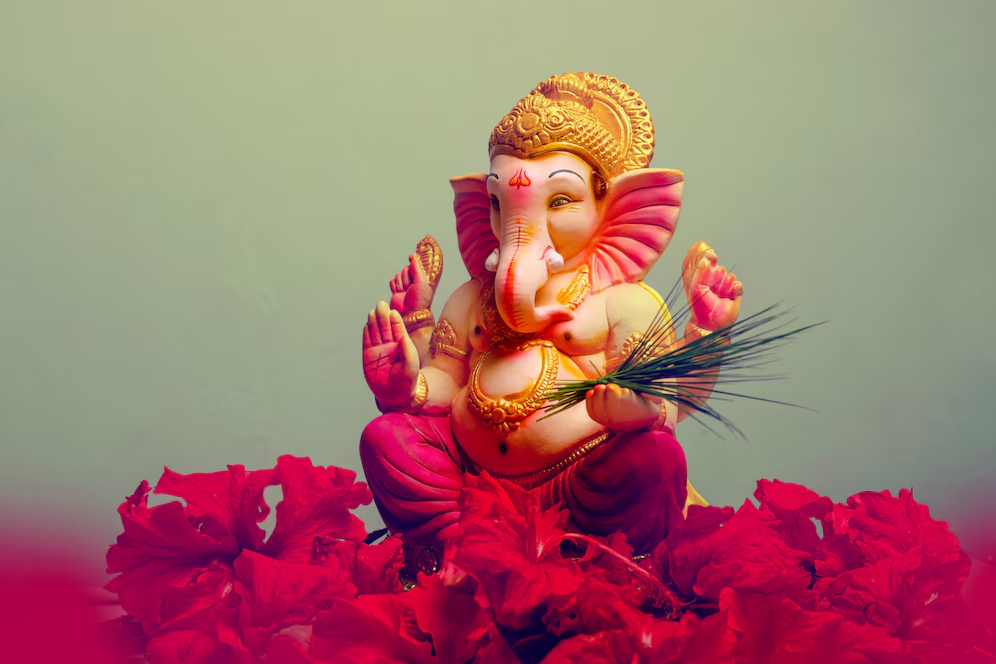
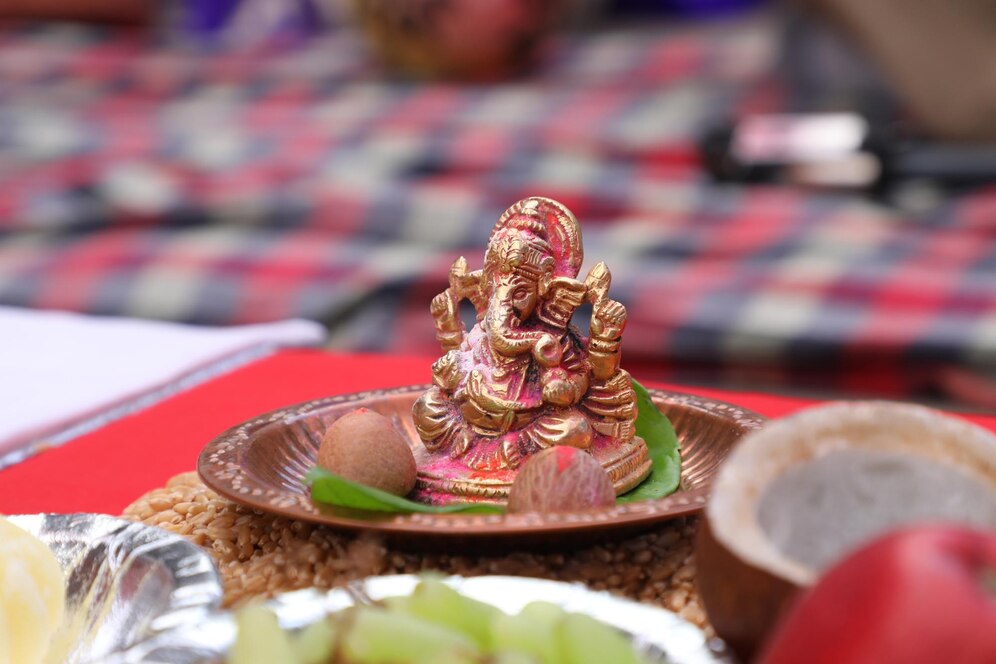
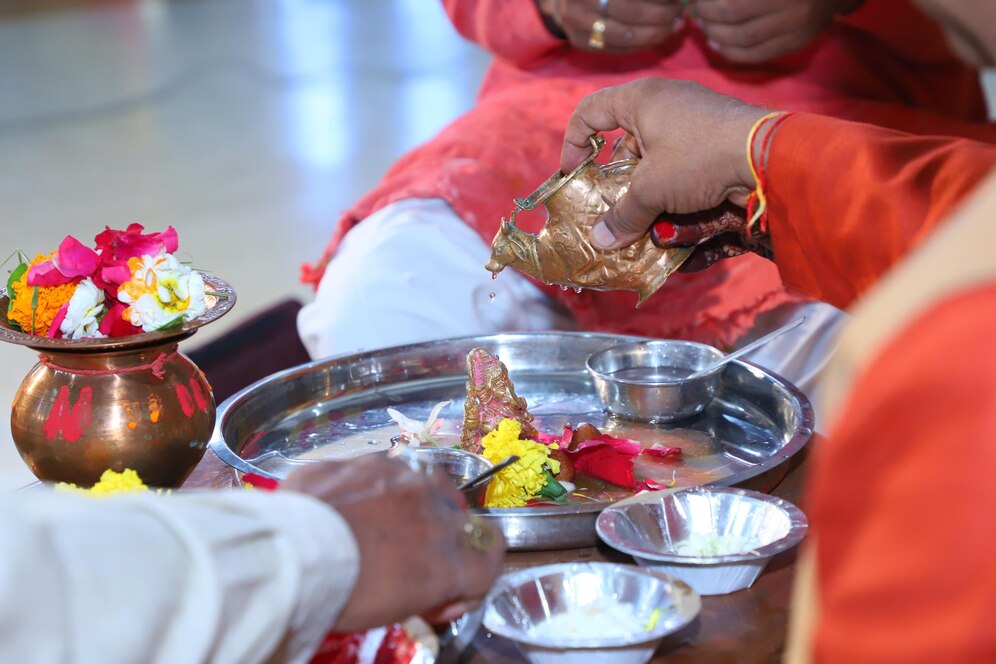
Lord Ganesha, the prodigal son of Shiva and Parvati, is the most worshiped God. Before doing any auspicious work Ganesha must be worshiped. Before doing any pooja Ganesha pooja must be performed. This is the standard common Ganesha Pooja for removing obstacles and general prosperity etc. and for starting any auspicious work. He is the embodiment of wisdom and worshiped by those seeking knowledge.
In his various forms he is worshiped as Buddhi Ganapati for better knowledge, Vidya Ganapati for studies, Siddhi Ishwarya Ganapati for wealth, Sankata Nashana Ganapati to remove obstacles and difficulties etc. He is also the presiding Deity of Astrology. .
Ganesha Pooja
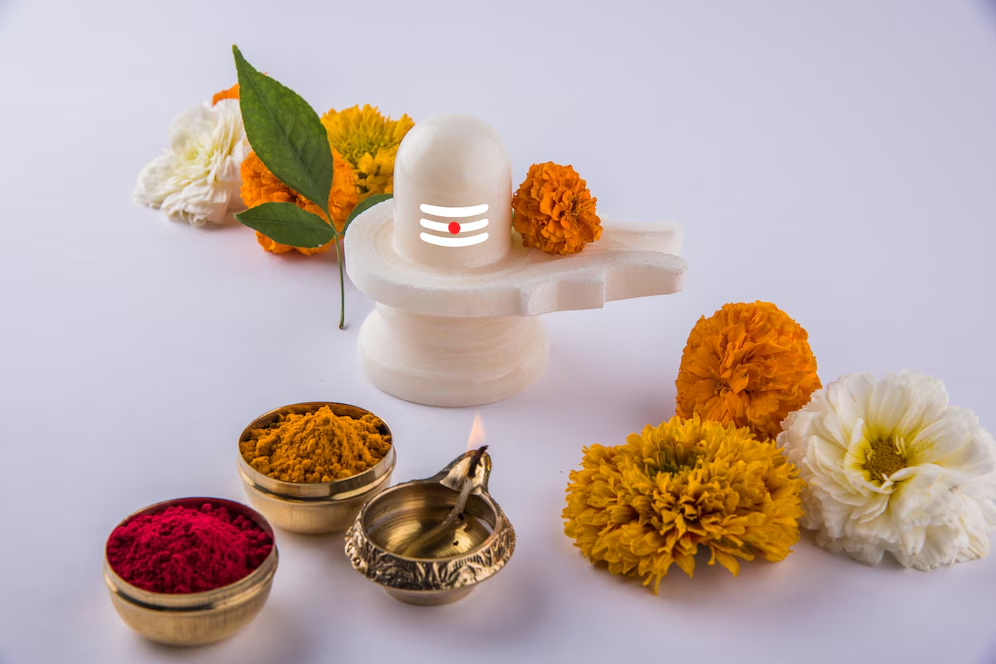
Shiva Pooja 108
Bilva Patra Pooja 108
Maha Mriyunjaya Pooja
Rudrabhishekam Pooja
Santana Parameswara Pooja
Umamaheshwara Pooja
Sudarshana Puja
Chakraabja Puja
Gayatri Mantra
Mangala Gauri Pooja
Lakshmi Kubera Pooja
Homam/Havan/Pooja/Yagya
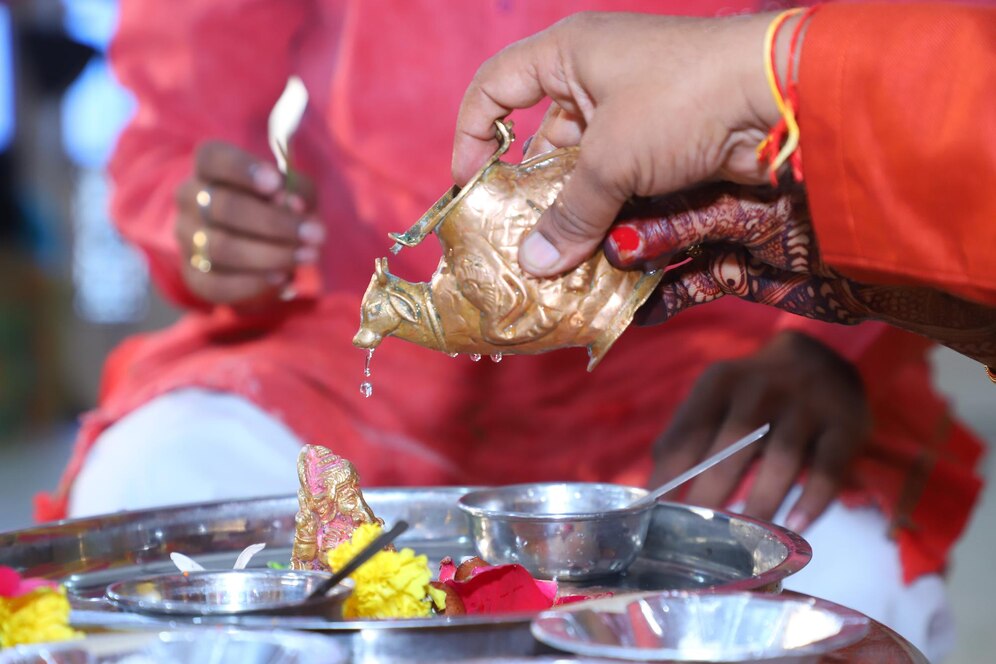
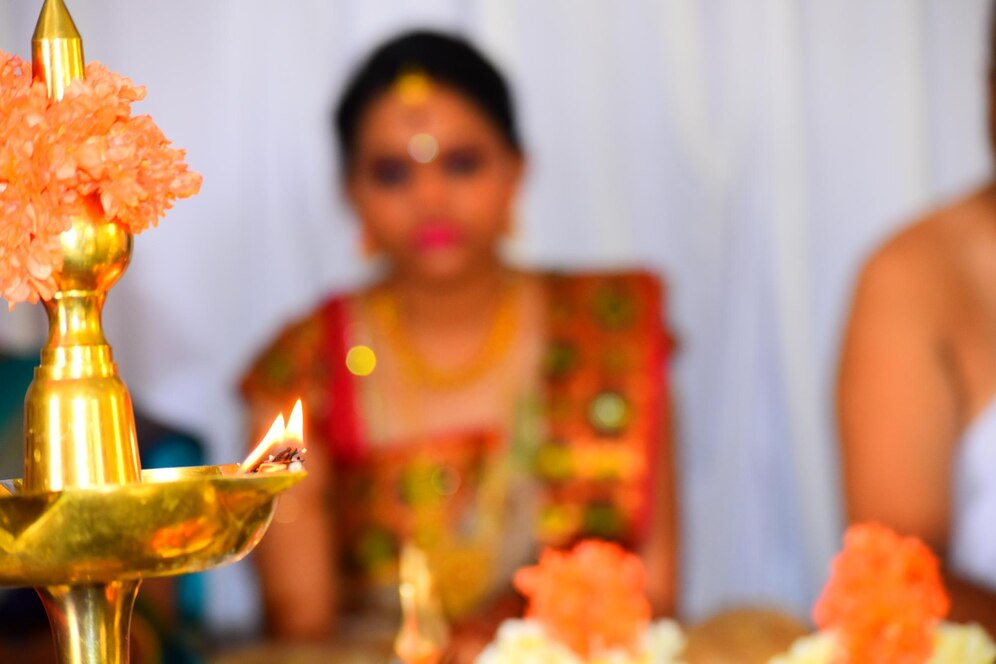
Homam, also known as Havan or Yagya, is a sacred Vedic fire ritual performed to invoke divine energies and cleanse the environment. Through offerings to the holy fire, negative energies are dispelled, and positivity, health, prosperity, and peace are invited into one’s life. Each ritual is carried out with the chanting of mantras and specific rituals based on the purpose—be it for health, wealth, protection, or spiritual growth.
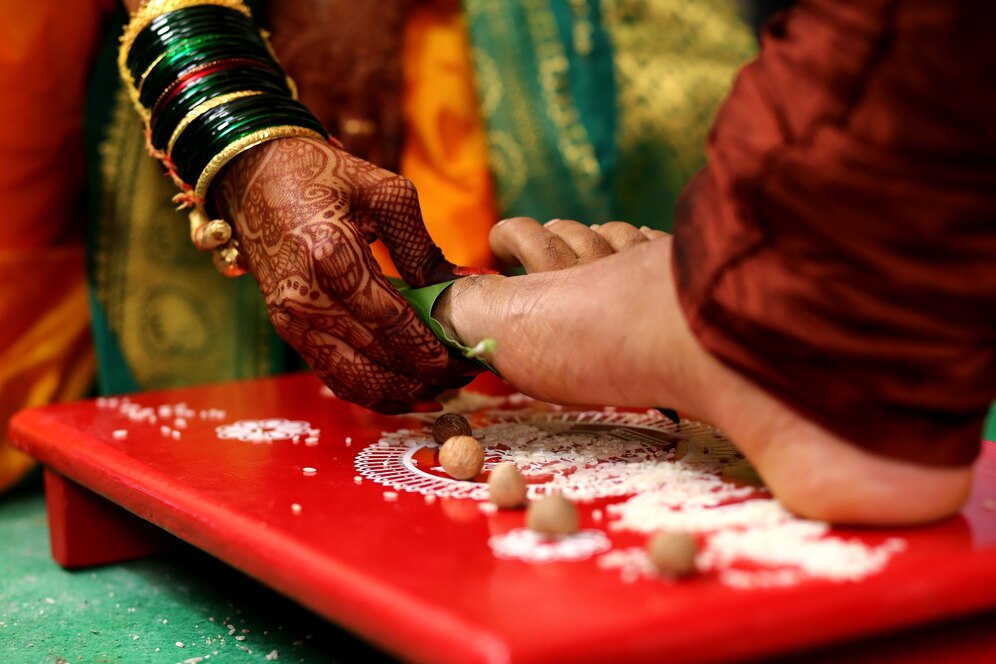
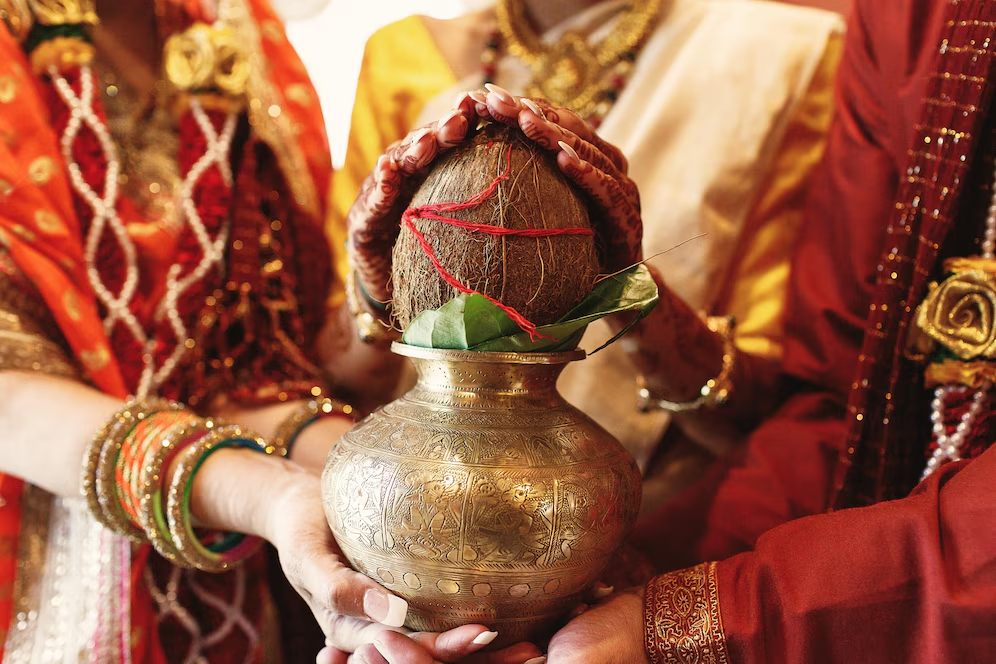
Pooja is a devotional act of showing reverence to a deity, spirit, or another aspect of the divine through invocations, prayers, songs, and rituals. It is a beautiful way of connecting with the divine and seeking blessings for oneself and the family. When performed with faith and devotion, poojas bring harmony and spiritual upliftment.